Moira
Moira is Offred's closest friend from the time before Gilead, a fiercely independent, witty, and resourceful woman whose acts of defiance—including a daring escape from the Red Center—become a symbol of resistance and a source of hope for Offred, though her eventual fate at Jezebels reveals the regime's capacity to co-opt even the most rebellious spirits.
Identity and Background
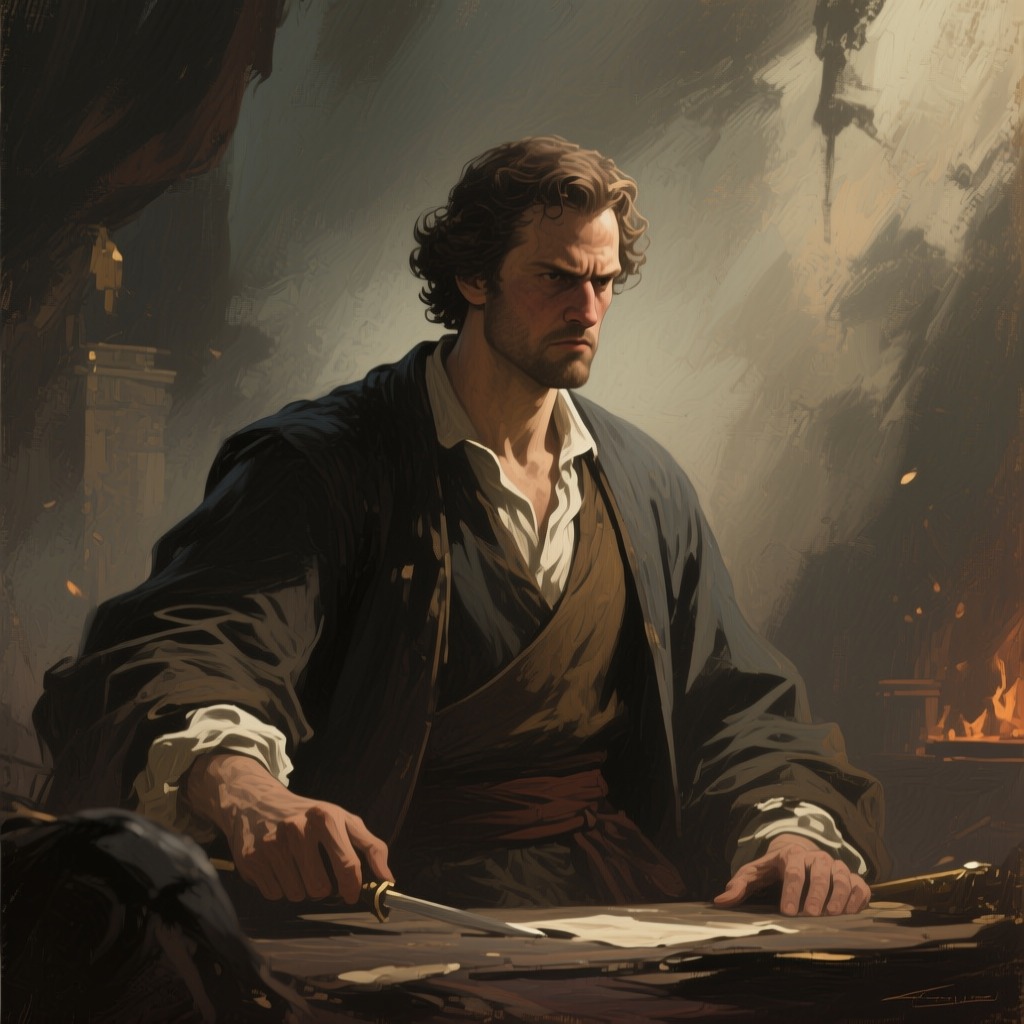
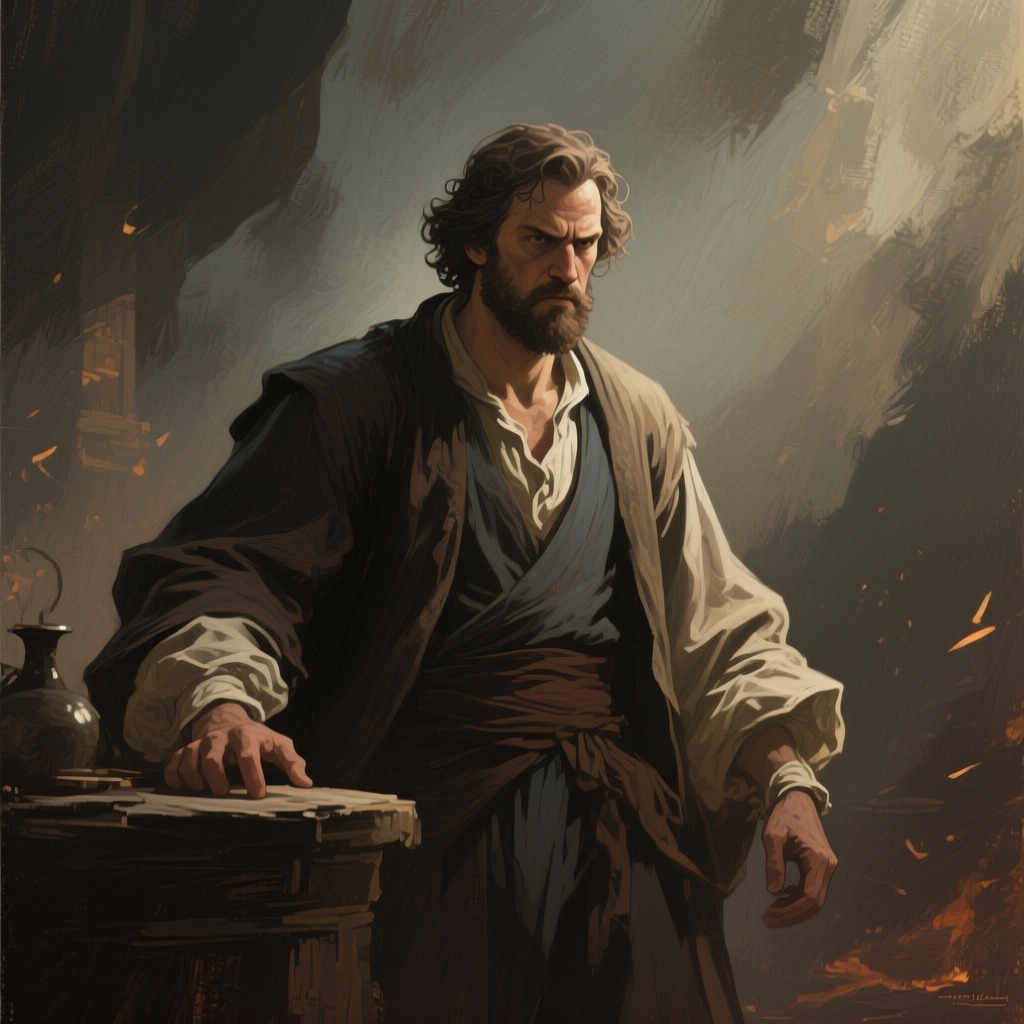
Moira is introduced through Offred's memories as a woman of irreverent humor and mechanical ability. She used to fix her own car, and Offred recalls her sitting on the edge of the bed in purple overalls, a dangly earring, a gold fingernail, and a cigarette between her stubby yellow-ended fingers, saying, "Let's go for a beer." She was a college friend who breezed into Offred's room, dropping her denim jacket on the floor, and proposed an "underwhore party"—a parody of Tupperware parties featuring lingerie with "lace crotches, snap garters" and bras that "push your tits up." Moira's humor was a constant: she made Offred laugh, and Offred describes her as "quirky, jaunty, athletic, with a bicycle once, and a knapsack for hiking." She was also logical, once arguing with Offred about her affair with Luke, calling it "poaching on another woman's ground" and insisting that "the balance of power was equal between women so sex was an even-steven transaction." After coming out as gay, she reassured Offred that she didn't turn her on, and they returned to hugging. Offred calls her "my oldest friend."
Life and Plot Trajectory
Moira's trajectory in the narrative moves from the Red Center to a daring escape, then to capture and eventual placement at Jezebels. At the Red Center, she was brought in with a bruise on her left cheek, still in her jeans and blue sweatshirt, her hair short. She recognized Offred but turned away, already knowing what was safe. During their walks around the football field, she whispered, "This is a loony bin." They communicated through a hole in the washroom stall, where Moira said, "God, do I need a cigarette." Offred felt "ridiculously happy" just to hear her voice. Moira attempted to fake appendicitis to get out, but was caught and brought back; the Aunts used steel cables on her feet, leaving them swollen and boneless, "like lungs." Offred and the other women stole extra paper packets of sugar for her, smuggling them from bed to bed.
Key Actions and Objectives
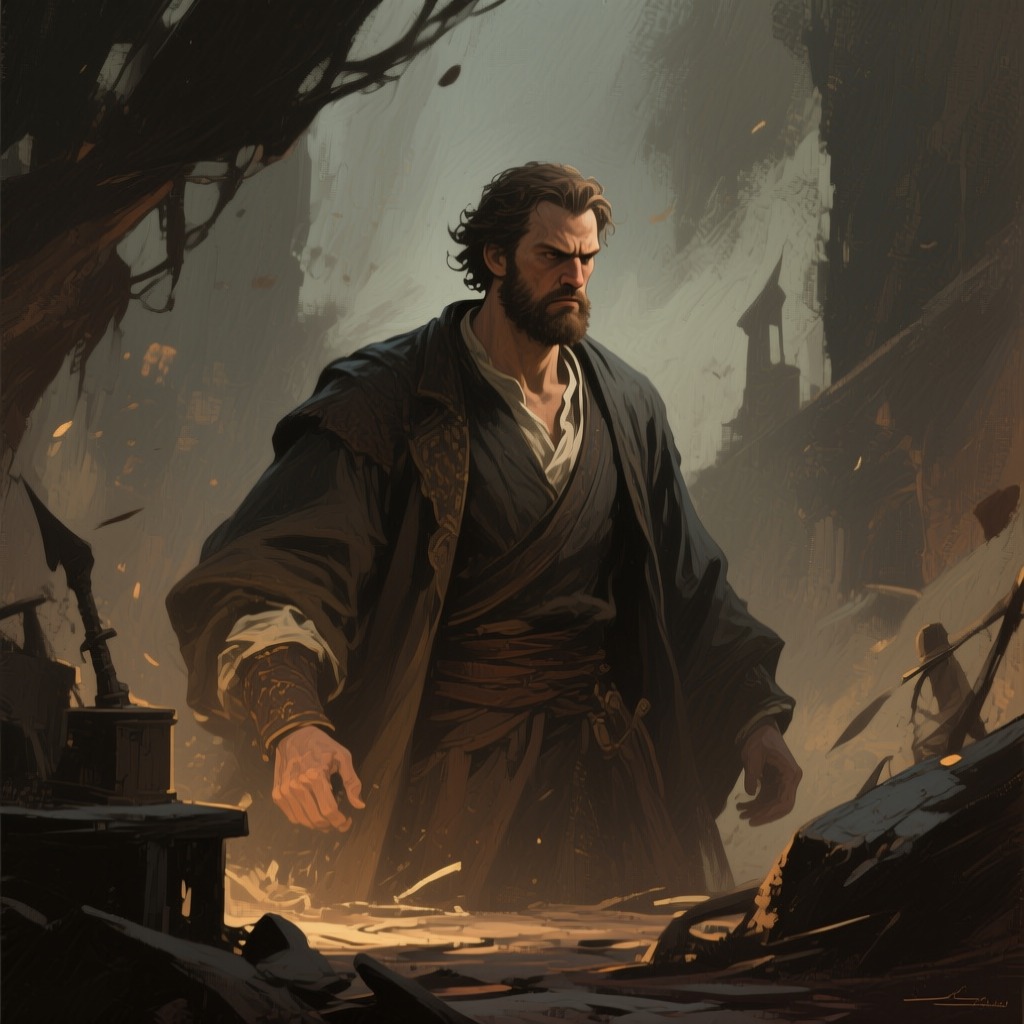
Moira's defining act is her escape from the Red Center. She dismantled the inside of a toilet to get the long, thin, pointed lever, then called Aunt Elizabeth into the washroom, claiming the toilet was overflowing. When Aunt Elizabeth bent over the toilet, Moira jabbed the lever into her ribs and said, "Don't move, or I'll stick it all the way in, I know where, I'll puncture your lung." She took Aunt Elizabeth's cattle prod and whistle, forced her to undress, put on her clothes, tied her up behind the furnace, and marched straight out the front door with the bearing of a person who knew where she was going. She was saluted and presented Aunt Elizabeth's pass, which the guards didn't bother to check. After her escape, she was taken in by Quakers on the Underground Femaleroad, hidden in a mail sack, and almost made it to Maine before being captured. When interrogated, she made up a lot of stuff, because "you do that, when they use the electrodes and the other things."
Relationships and Conflict
Moira's relationship with Offred is the emotional core of her presence in the novel. Offred thinks of her as "our fantasy," someone they "hugged to us," a "giggle" and "lava beneath the crust of daily life." In the light of Moira, the Aunts became "less fearsome and more absurd." Offred admits, "I couldn't stand the thought of her not being here, with me. For me." Moira also had a fraught relationship with the regime. At Jezebels, she is dressed in a black satin outfit that is too large, with a rabbit ear flopping down, a black bowtie, and black net stockings. She smokes a cigarette and says, "Government issue. I guess they thought it was me." She tells Offred that the Commanders "encourage" women-on-women sex because it "sort of turns them on." When Offred asks if she means it about preferring Jezebels, Moira says, "I'm still here, you can see it's me. Anyway, look at it this way: it's not so bad, there's lots of women around. Butch paradise, you might call it."
Change and Ending
Moira's arc is one of diminishment. Offred wants to tell a story where Moira escapes for good or blows up Jezebels with fifty Commanders inside, but "as far as I know that didn't happen." Offred never saw her again. The last image is of Moira standing by the fountain, her spine sagging, gazing without interest around the room. Offred hears indifference in her voice, "a lack of volition," and fears they have taken away something central to her. Offred admits, "I don't want her to be like me. Give in, go along, save her skin. That is what it comes down to. I want gallantry from her, swashbuckling, heroism, single-handed combat. Something I lack."
Narrative Role and Evaluation
Moira functions as Offred's internal compass of resistance. Her escape, even though it ultimately failed, becomes a story that passes among the women at the Red Center, expanding "till it filled the room." Offred thinks of her as "like an elevator with open sides" who made them dizzy, and admits they were already "losing the taste for freedom." Moira's voice is also the source of irreverent humor that deflates authority: she called the hymn "There Is a Balm in Gilead" as "There Is a Bomb in Gilead," and scratched "Aunt Lydia sucks" on a washroom cubicle. Offred reflects that "there is something powerful in the whispering of obscenities about those in power. It deflates them, reduces them to the common denominator where they can be dealt with." Moira's presence, even in memory, is a form of survival: Offred says, "I've tried to make it sound as much like her as I can. It's a way of keeping her alive."